Poison Ivy Removal in Burlington County, NJ
Poison ivy removal services focus on safely eliminating this invasive plant from residential properties, helping homeowners maintain a safe and attractive outdoor space. These services typically cover a range of projects, including clearing poison ivy from yards, gardens, fences, trees, and other hard-to-reach areas. Property owners often seek these services to prevent skin irritation, protect children and pets, and preserve the health of their landscaping by removing plants that can quickly spread and become difficult to control.
Before requesting poison ivy removal, property owners usually want to understand the scope of the work involved, including whether the removal will be complete or partial, and if any follow-up treatments are recommended. It’s also helpful to know the best methods for removal, such as manual pulling or chemical treatments, and whether the plant will be disposed of properly. Clarifying these details can ensure the project aligns with safety concerns and property maintenance goals.
Many property owners in Burlington County, NJ look into Poison Ivy Removal for repairs, replacements, upgrades, and appearance-related improvements.
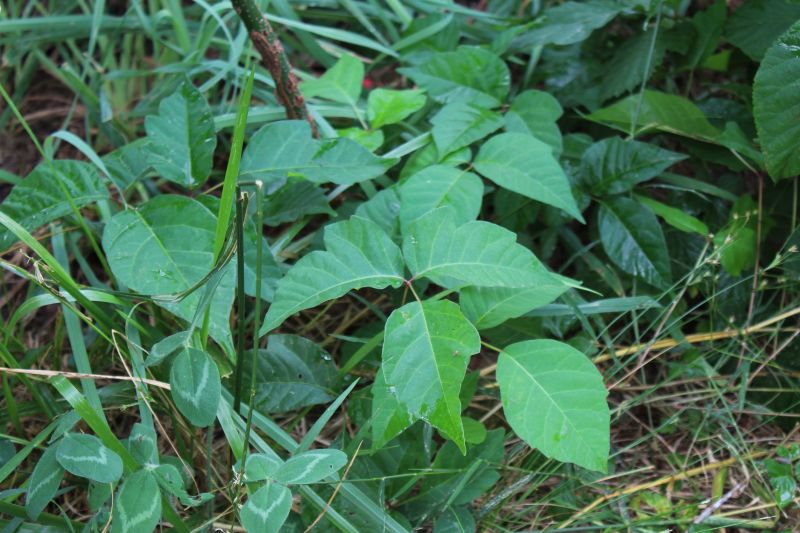
Identifying Poison Ivy
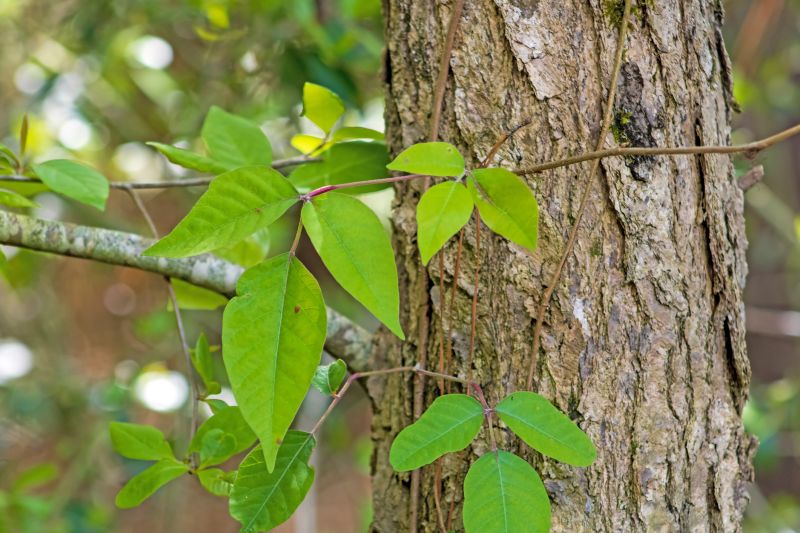
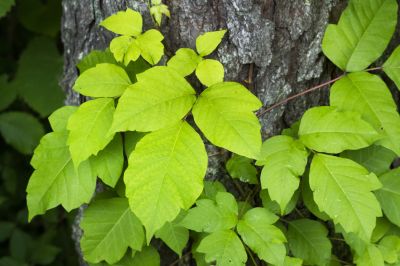
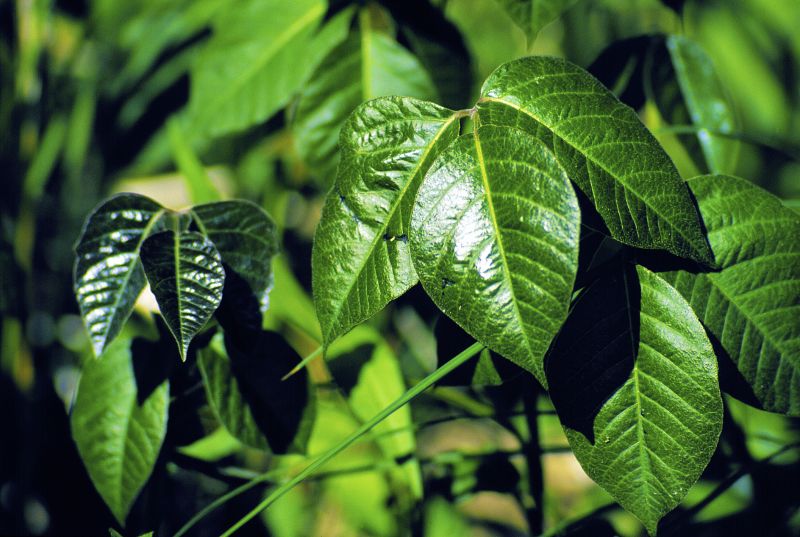
Learn how to recognize poison ivy and prevent contact on your property.
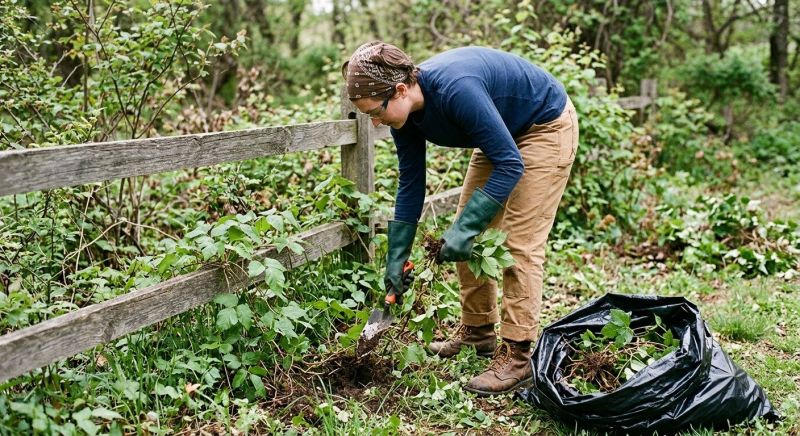
Safe Removal Techniques
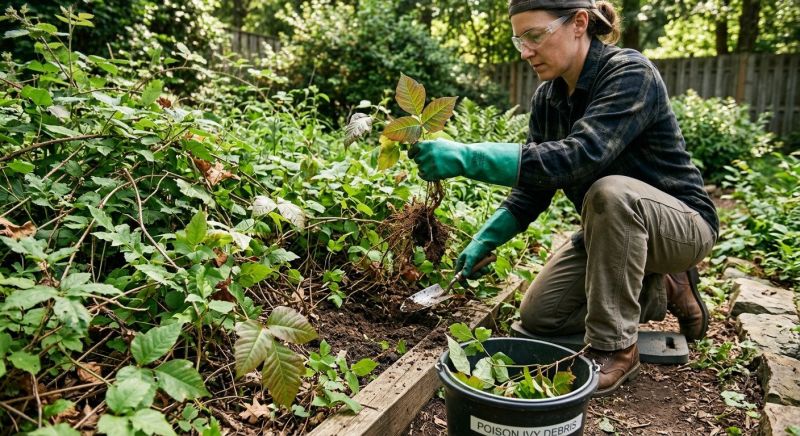
Professional removal ensures the plant is safely and effectively cleared from your landscape.
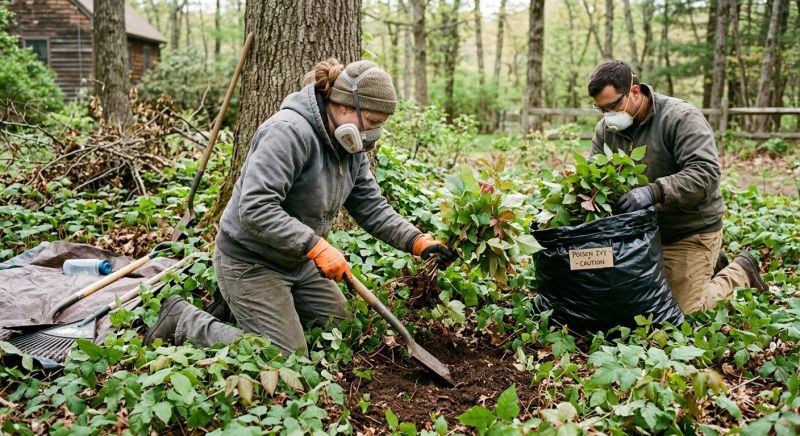
Property Maintenance Tips
Regular upkeep helps keep poison ivy from regrowing and protects your family and pets.
Poison Ivy Removal in Burlington County, NJ
Poison ivy removal services focus on safely eliminating this invasive plant from residential properties, helping homeowners maintain a safe and attractive outdoor space. These services typically cover a range of projects, including clearing poison ivy from yards, gardens, fences, trees, and other hard-to-reach areas. Property owners often seek these services to prevent skin irritation, protect children and pets, and preserve the health of their landscaping by removing plants that can quickly spread and become difficult to control.
Before requesting poison ivy removal, property owners usually want to understand the scope of the work involved, including whether the removal will be complete or partial, and if any follow-up treatments are recommended. It’s also helpful to know the best methods for removal, such as manual pulling or chemical treatments, and whether the plant will be disposed of properly. Clarifying these details can ensure the project aligns with safety concerns and property maintenance goals.
Many property owners in Burlington County, NJ look into Poison Ivy Removal for repairs, replacements, upgrades, and appearance-related improvements.
Common Poison Ivy Removal Jobs
Poison Ivy Removal - safely eliminates invasive plants from yards and landscapes.
Yard Clearing - removes poison ivy from lawns, gardens, and outdoor spaces.
Property Maintenance - prevents future growth with targeted ivy removal techniques.
Vegetation Control - manages overgrown areas affected by poison ivy growth.
Landscaping Services - integrates poison ivy removal into overall yard improvement plans.
Safety Assessments - identifies areas where poison ivy poses a risk to residents and pets.
Poison Ivy Removal Questions
What is poison ivy removal? Poison ivy removal involves safely eliminating the plant to prevent skin irritation and property damage.
When should poison ivy be removed? Removal is recommended when the plant is in high-traffic areas or poses a risk of contact to residents and visitors.
Does poison ivy removal require special equipment? Yes, appropriate tools and protective gear are used to safely remove and dispose of the plant.
Can poison ivy grow back after removal? Yes, if roots are not fully removed, poison ivy can regrow; proper removal helps prevent recurrence.
Request Poison Ivy Removal in Burlington County, NJ
Use the quote form on this page to share the basics of your project and request more information for the type of work you need.