Hemlock Removal in Newark, DE
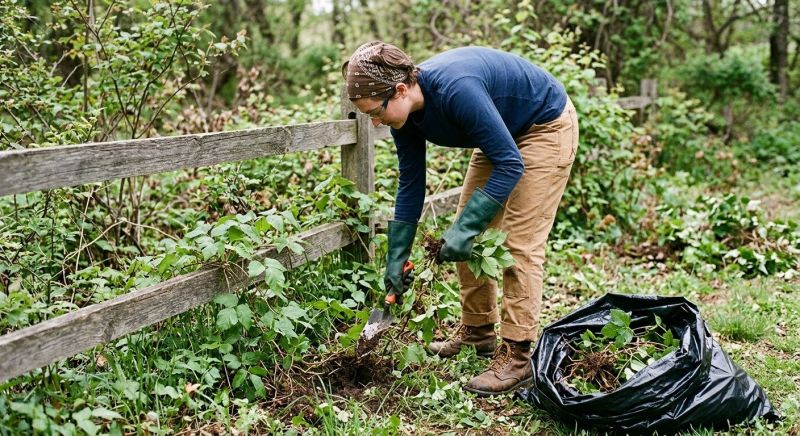
Hemlock removal services involve the careful elimination of hemlock trees from residential properties. This process is often requested in projects where homeowners want to improve safety, prevent the spread of pests or diseases, or enhance the overall appearance of their landscape. These services typically cover the removal of individual hemlocks, groups of trees, or larger stands, and may include stump grinding and site cleanup to restore the area for future use or planting.
Property owners considering hemlock removal should understand factors such as the size and number of trees, the potential impact on surrounding landscape features, and any local regulations or permits that may be required. It’s also helpful to consider the reasons for removal, whether for safety concerns, disease control, or aesthetic purposes, to ensure the appropriate approach is taken for the specific project. Contacting professionals can provide guidance on the best options for maintaining a healthy and attractive property.
Many property owners in Newark, DE look into Hemlock Removal for repairs, replacements, upgrades, and appearance-related improvements.
Reasons To Remove Hemlocks
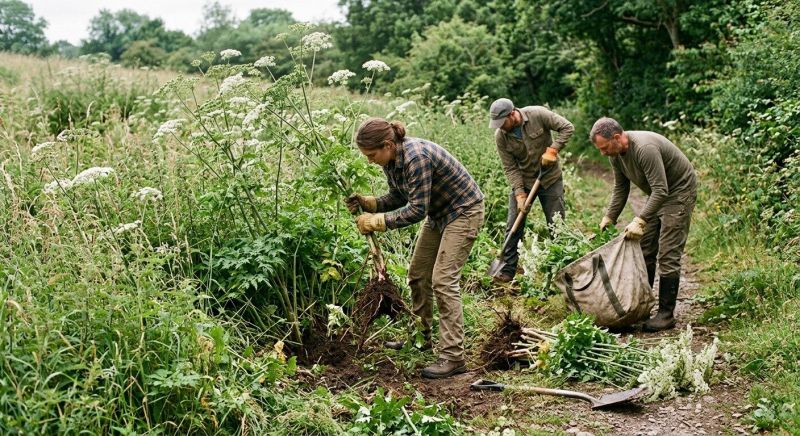
Removing damaged or diseased hemlocks can improve the safety and appearance of your property.
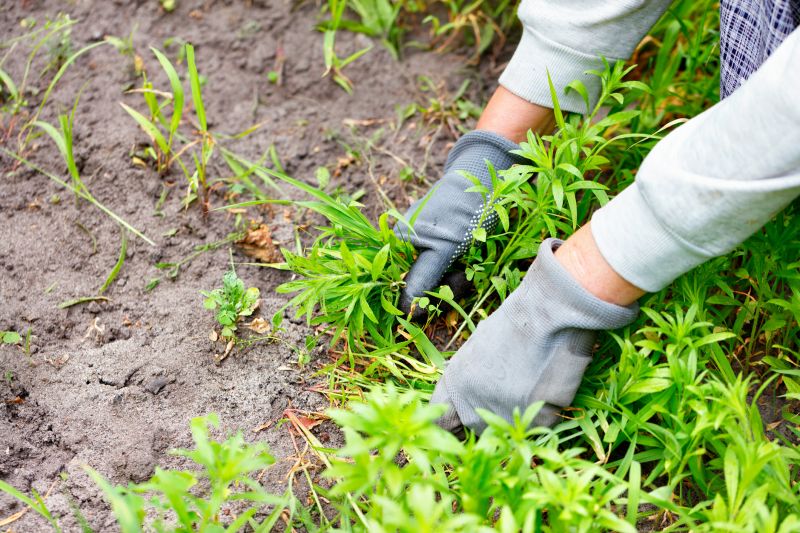
Hemlock Removal Process
Proper removal involves careful planning to prevent damage to surrounding landscaping and structures.
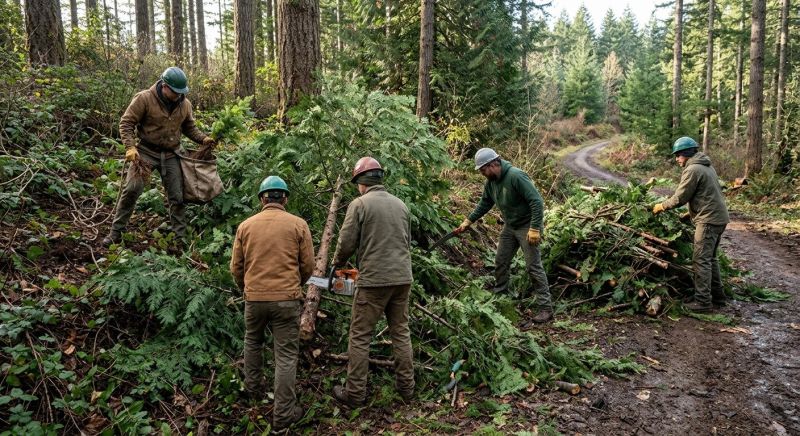
Post-Removal Landscaping
After removal, property owners may consider planting new trees or enhancing their landscape design.
Hemlock Removal in Newark, DE

Hemlock removal services involve the careful elimination of hemlock trees from residential properties. This process is often requested in projects where homeowners want to improve safety, prevent the spread of pests or diseases, or enhance the overall appearance of their landscape. These services typically cover the removal of individual hemlocks, groups of trees, or larger stands, and may include stump grinding and site cleanup to restore the area for future use or planting.
Property owners considering hemlock removal should understand factors such as the size and number of trees, the potential impact on surrounding landscape features, and any local regulations or permits that may be required. It’s also helpful to consider the reasons for removal, whether for safety concerns, disease control, or aesthetic purposes, to ensure the appropriate approach is taken for the specific project. Contacting professionals can provide guidance on the best options for maintaining a healthy and attractive property.
Many property owners in Newark, DE look into Hemlock Removal for repairs, replacements, upgrades, and appearance-related improvements.
Common Hemlock Removal Jobs
Hemlock Tree Removal - safely removing hazardous or unwanted hemlock trees from residential properties.
Invasive Hemlock Control - eliminating invasive hemlock species to protect native plant life.
Hemlock Stump Removal - grinding or extracting remaining stumps after tree removal to prevent regrowth.
Hemlock Thinning Services - reducing tree density to improve property safety and landscape health.
Hemlock Disease Treatment - managing hemlock health issues such as pests or disease to preserve trees.
Hemlock Clearing for Development - removing trees to prepare land for construction or landscaping projects.

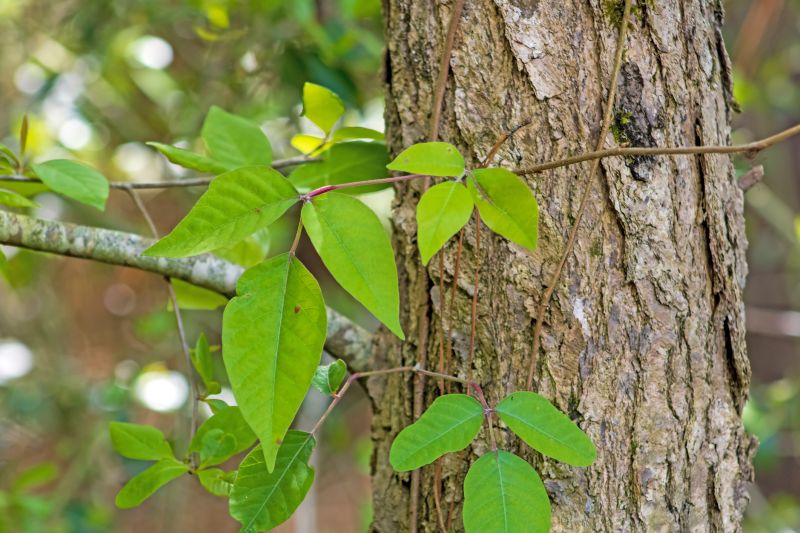
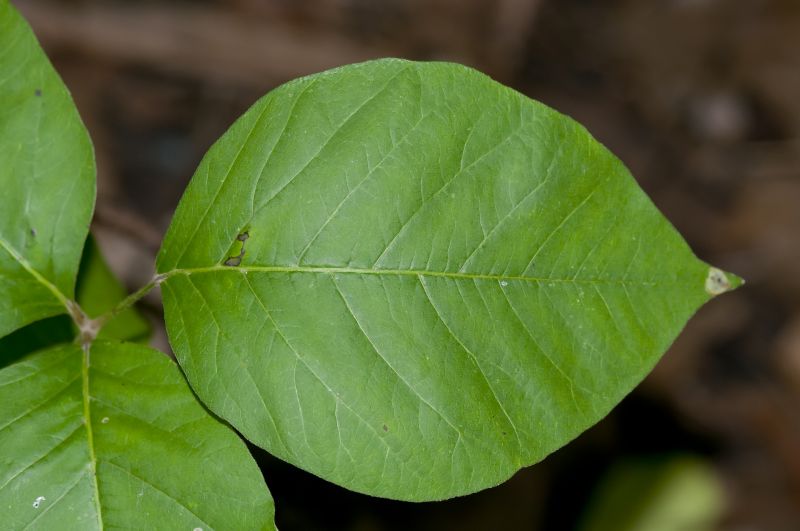
Hemlock Removal Questions
Why should Hemlock trees be removed? Hemlock trees may be removed to prevent disease spread, reduce safety hazards, or improve overall landscape health.
What signs indicate a Hemlock tree needs removal? Signs include extensive browning, pest infestation, or structural instability.
Is Hemlock removal necessary for safety? Removing Hemlocks can reduce the risk of falling branches or trees, enhancing safety on the property.
What types of properties typically request Hemlock removal? Hemlock removal is common for residential yards, commercial landscapes, and public parks facing health or safety concerns.
Request Hemlock Removal in Newark, DE
Use the quote form on this page to share the basics of your project and request more information for the type of work you need.